A Short History of the American Steamboat
From the New Orleans in 1811 to the last overnight steamboats.
Ask About Riverboat CruisesSteamboat History in Brief
Steamboats opened the American interior. Before them, cargo could float downstream on flatboats but going upstream was painfully slow. Steam power changed that, and for most of the 19th century the river was the nation’s main highway.
| Period | What happened |
|---|---|
| 1811–1812 | The New Orleans makes the first steamboat voyage down the Ohio and Mississippi, during the New Madrid earthquakes. |
| 1816 onward | Henry Miller Shreve and others develop shallow-draft, multi-deck boats with high-pressure engines, the design that became the classic western steamboat. |
| 1830s–1850s | The golden age: thousands of boats, floating palaces for passengers, and towns booming along the rivers. |
| 1857–1861 | A young Samuel Clemens trains and works as a Mississippi pilot, later writing Life on the Mississippi (1883) as Mark Twain. |
| 1861–1865 | Civil War: gunboats, blockades and the fight for Vicksburg; the Sultana disaster in 1865. |
| 1870s–1920s | Railroads take freight and passengers; the packet trade fades, excursion boats remain. |
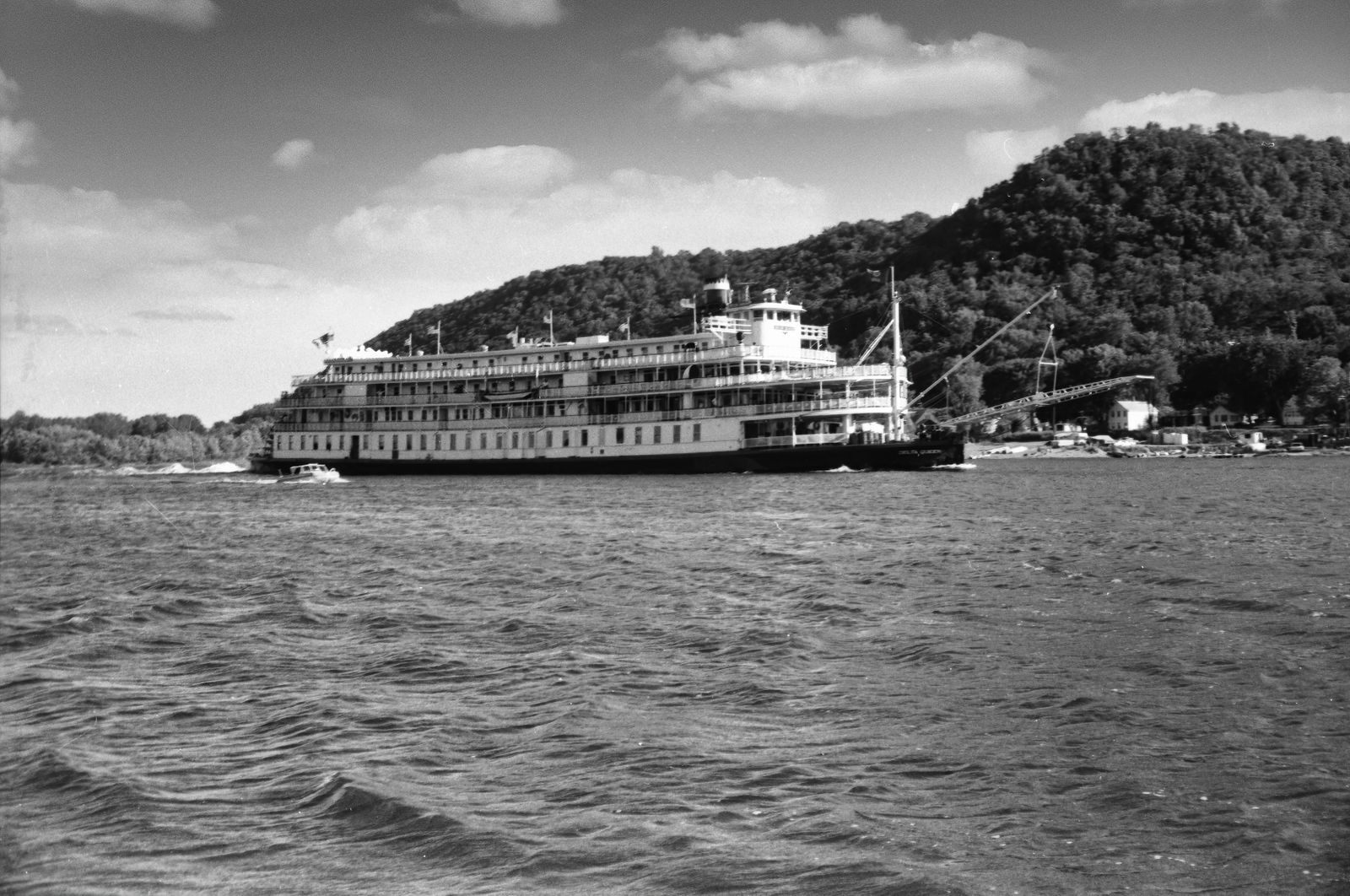
| 1920s onward | The Delta Queen and later the Mississippi Queen and American Queen keep overnight steamboating alive for travelers. |
Life Aboard a 19th-Century Steamboat
Cabin passengers enjoyed a long main saloon with carpets, chandeliers and fine meals, while deck passengers, often immigrants and enslaved people being moved south, rode among the cargo on the lower deck. Boiler explosions, snags and fires made travel dangerous. Racing between rival boats was a popular spectacle and sometimes a deadly one.
Pilots were the elite of the river. They memorized every bend, bar and snag over more than a thousand miles of constantly shifting water, a skill Mark Twain described in loving detail.
Seeing the History Today
River museums in Dubuque, Hannibal and Vicksburg, and the surviving boats in New Orleans and Louisville, keep the era alive. An overnight Mississippi cruise is still the best way to see the river towns the steamboats built; our sister sites Upper Mississippi Riverboat Cruising and Lower Mississippi Riverboat Cruising cover the routes, and US River Cruising compares the other American rivers. If you love this history and want to share it with travelers, read about beatravelagent.com.
Frequently Asked Questions
When did steamboats first run on the Mississippi?
The New Orleans, built at Pittsburgh by Nicholas Roosevelt in partnership with Robert Fulton and Robert Livingston, steamed down the Ohio and Mississippi to New Orleans in 1811–1812.
What was the worst steamboat disaster?
The Sultana, which exploded and burned near Memphis in April 1865 while carrying Union soldiers freed from prison camps. It is widely described as the deadliest maritime disaster in U.S. history.
Why did steamboats decline?
Railroads were faster and ran year-round. By the early 20th century most passenger packets had disappeared, though excursion boats and towboats continued.
Follow the Steamboats’ Route
Our cruise advisors at Mister Cruise will quote Mississippi riverboat cruises that call at the historic steamboat towns.
Get Free Quotes